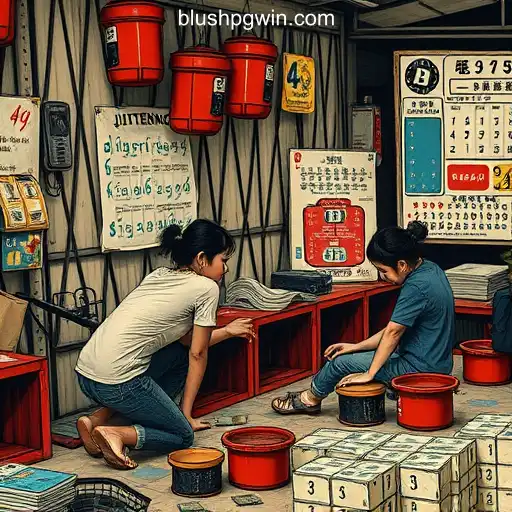
The Intricate World of Jueteng and Its Implications
Jueteng is a deeply rooted numbers game in the Philippines, often seen as more than just a simple gambling activity. Its presence extends through various levels of society, affecting the socio-economic and political landscapes.
Understanding Jueteng
Jueteng operates as a grassroots lottery system. Originating during the Spanish colonial period, its name is derived from two Tagalog words: 'huweteng' which means "flower pots" and 'teng', a local slang for bet. Despite its illegal status, Jueteng remains popular primarily due to its simplicity and the promise of instant wealth for those in dire need.
A Jueteng bet is comprised of two numbers ranging from 1 to 37. Players choose their lucky numbers and place bets through a local coordinator known as a 'cabo,' who in turn relates to a 'kubrador,' the collector. Drawings typically occur twice daily, offering bettors two chances of winning per day.
The Societal Impact of Jueteng
Jueteng's tentacles reach far into Philippine society, directly affecting millions within its operational sphere. The game’s allure lies in the potential for immediate financial stability, thus capturing the most economically disadvantaged communities. Difficult circumstances lead many to view a win at Jueteng as one of the few possible escapes from poverty.
However, Jueteng's implications extend far beyond personal finance. It acts as a significant social equalizer, offering individuals from all levels of society the same chance to change their fortunes - although this veil of equality hides the truth that the game is skewed against the unprepared.
Role of Authorities and Political Elements It's an open secret that Jueteng operations frequently involve the complicity of local officials and law enforcement agencies. The game generates substantial sums of money, and a web of protection allows it to persist. Arrests are rare, and significant crackdowns often follow political events rather than genuine attempts at law enforcement.
Jueteng is more than just about gambling; it is intertwined with the political fabric of the country. Officials are often accused of turning a blind eye in exchange for financial contributions to campaign funds. In this context, Jueteng serves as a tool for power brokering and influence peddling, leaving the average citizen caught in a lose-lose situation.
Economic Consequences
Jueteng contributes a notable influx of funds into the underground economy, a fact that is both beneficial and detrimental. While small winnings can boost local spending and support community-level commerce, the larger picture is one of significant revenue losses for legitimate tax-paying sectors.
Public services bear the brunt of this economic shortfall. With Jueteng operators paying no taxes, there is less funding available for infrastructure, education, and health services. Moreover, the existence of highly profitable illegal enterprises like Jueteng discourages the growth of lawful business ventures, which would otherwise contribute to economic development.
Jueteng and Cultural Identity
Jueteng is embedded into the cultural identity of the Philippines. Often romanticized in literature and media, it embodies a form of resistance against formalized structures that have historically marginalized many citizens. This cultural guise sustains its popularity and acceptance, despite its illegality.
The game is also seen as a community activity, strengthening social bonds in areas where communal gatherings are centered around Jueteng draws. It becomes not just about winning money but also about sharing hopes and stories, supporting each other through financial uncertainties. However, the societal costs can erode community trust in the long run, particularly when large sums of money go missing due to rigged operations.
Reform and Regulation
Plans for reform often emerge whenever a Jueteng-related scandal surfaces, typically involving calls for legalization to allow governmental control. Legalization could potentially redirect funds back into the community through taxes and regulations, thereby offering a real solution to the financial void left by its clandestine operations.
However, such reforms face resistance, not only from vested interests benefiting from the status quo but also from those who view Jueteng as a cultural tradition. Furthermore, parallels are often drawn to regulated gambling entities like BLUSH PG: Cassino Online Seguro e Premiado. While this suggests a pathway where Jueteng can follow suit, considerable public policy efforts are essential to ensure ethical transitions.
The Way Forward
The future of Jueteng hinges on societal decisions regarding its holistic impact. It requires introspection on whether its cultural role outweighs the economic and political challenges it presents. Similarly, adopting a regulated platform offers one resolution opportunity, aligning it with the practice of legitimized gambling institutions.
Ultimately, the solution may lie in a balanced approach that not only acknowledges the cultural significance but also implements structural changes to regulate and formalize its operations, ultimately leading to strengthened communities and more reliable economic growth.